

Views: 0 Author: Site Editor Publish Time: 2026-10-23 Origin: Site


Navigating modern earthmoving projects is a constant battle against tight deadlines, unpredictable terrain, and steadily rising diesel costs. Site managers frequently face a frustrating equipment dilemma. Compact machines simply lack the brute force required for heavy lifting. Massive mining-grade machinery proves too bulky, expensive, and logistically complex for standard job sites. The ultimate solution lies in the heavy-duty medium category. By striking a precise balance between raw power, agile maneuverability, and fuel efficiency, these versatile machines are fundamentally reshaping how contractors approach demanding excavations.
Perfect Balance: Machines in the 17-ton operating weight class provide industrial-grade breakout force without sacrificing the ability to navigate confined work zones.
High Efficiency: Integrating a robust 170kW engine alongside a generous 2.8 cubic meter bucket drastically slashes loading cycles and accelerates overall earthmoving momentum.
Cost-Effective Operations: Compared to their oversized counterparts, these mid-tier powerhouses significantly lower fuel consumption per ton of material moved.
Unmatched Versatility: Equipped with the right attachments, a single unit effortlessly transitions between digging, grading, heavy material handling, and truck loading.
Recent industry market analyses reveal a profound revolution in earthmoving strategies. Global construction trends highlight a massive migration away from monolithic, oversized machinery toward highly efficient mid-sized equipment. This transition is heavily driven by stricter environmental regulations and a renewed focus on fleet right-sizing. Today's earthmoving sector demands data-driven assets that optimize site-wide productivity through real-time fuel tracking and payload monitoring. Consequently, medium-class machines have evolved from simple utility vehicles into the primary production tools for modern infrastructure projects.
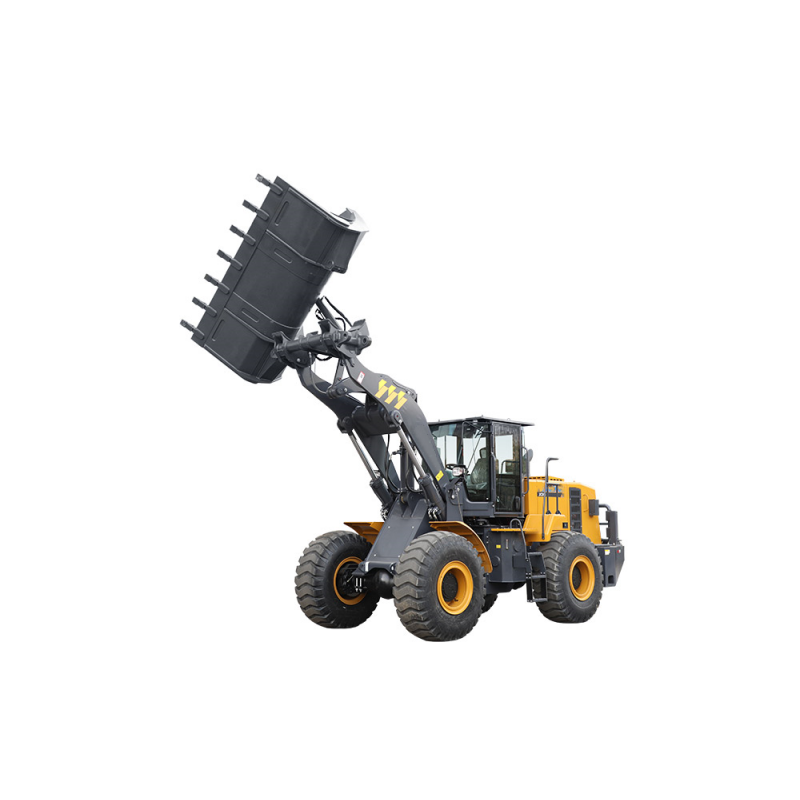
In the heavy equipment sector, a machine is typically classified as medium when its operating weight falls between 10 to 20 tons. The heavy-duty distinction is what separates standard utility machines from true earthmoving workhorses. From an engineering standpoint, these specialized units feature reinforced steel chassis, heavy-duty planetary axles, and advanced load-sensing hydraulic systems. They are engineered specifically to endure continuous high-stress operations. Whether navigating the tight confines of urban construction or powering through aggressive quarrying tasks, these machines thrive where lighter equipment fails.
Selecting the right machinery requires a deep dive into technical specifications rather than relying on glossy brochures. For instance, the Durable Medium Wheel Loader XC956 exemplifies the ideal configuration needed to dominate challenging terrains.
A mass of exactly 17,100kg represents the engineering sweet spot for stability and traction. When a machine digs into a stubborn embankment, this specific weight anchors the chassis. It prevents tire slip without causing the excessive ground compaction that heavier 30-ton behemoths inevitably leave behind.
Efficiency in truck loading is a strict numbers game. Utilizing a 2.8 cubic meter bucket perfectly aligns with standard commercial dump truck capacities. This synergy optimizes the loading process. It requires only three to four swift passes to completely fill a haul truck, keeping the transportation cycle moving at a highly profitable pace.
The rhythmic hum of a 170kW engine signifies more than just horsepower. It translates directly to relentless breakout force. This robust power output works in tandem with high-pressure hydraulics, allowing the cutting edge to effortlessly penetrate compacted earth, heavy clay, and dense aggregates without stalling.
When evaluating fleet expansions, bigger does not automatically equate to better. Deploying a massive loader for a mid-scale project is a profound misallocation of capital. To clarify the operational differences, consider the following breakdown.
Specification Focus | Compact Loaders | Heavy-Duty Medium Class | Large Mining Loaders |
|---|---|---|---|
Operating Weight | Under 10,000kg | 10,000kg to 20,000kg | Over 25,000kg |
Bucket Capacity | 0.8 to 1.5 cubic meters | 2.5 to 3.5 cubic meters | 5.0 cubic meters and above |
Ideal Application | Landscaping, light utility | Earthmoving, truck loading, quarries | Heavy mining, massive infrastructure |
Site Footprint | Minimal turning radius | Balanced for tight and open spaces | Requires massive operational zones |
Translating abstract specifications into a concrete purchasing decision can be daunting. Site managers should abandon generalized advice and adopt a strict criteria-based selection process.
Match Bucket Capacity to Material Density: Do not just look at volume. A 2.8 cubic meter bucket is perfectly calibrated for standard aggregates. Moving wet clay requires entirely different considerations than handling dry topsoil.
Evaluate Hydraulic Cycle Times: Faster boom lift and dump times mean more trucks loaded per hour. Insist on testing the machine under full load conditions to verify cycle efficiency.
Assess True Breakout Force: High-pressure load-sensing hydraulics are non-negotiable. Your machine must penetrate compacted earth without relying solely on sheer momentum.
Fuel burn is the silent profit killer on any job site. Modern medium loaders are engineered with specialized eco-modes that dramatically slash fuel consumption. Their inherent agility allows operators to execute tight V-pattern loading cycles much faster than larger cumbersome machines.
Integrating a 17100kg Operating Weight Wheel Loader significantly mitigates the risk of unexpected breakdowns. Heavy-duty structural frames absorb daily shock loads, ultimately driving down the total cost of ownership and accelerating your return on investment.
The true genius of this equipment lies in its seamless adaptability. By simply swapping the front-end tool, a single machine performs the work of an entire specialized fleet.
While general-purpose buckets handle loose dirt with ease, heavy-duty rock buckets equipped with reinforced teeth are essential for tearing through jagged stones. Replacing the bucket with heavy-duty forks instantly transforms the 170kW Wheel Loader into a versatile material handler. Operators can seamlessly transport heavy pipes, stacked lumber, and bulky demolition debris across uneven terrain.
To maintain relentless momentum, quick-change mechanisms are vital. These hydraulic systems empower operators to switch attachments in mere minutes without ever leaving the climate-controlled cab. This ensures the machine remains actively engaged throughout the entire shift.
With rigorous preventative maintenance and proper operation, a high-quality machine can comfortably achieve 10,000 to 15,000 operating hours before requiring a major engine or transmission overhaul.
Selecting the correct size involves matching the bucket volume to the density of the material being moved. A 2.8 cubic meter variant optimally pairs with standard haul trucks to minimize loading passes and prevent overloading.
Tire-based loaders excel in speed, mobility, and road-friendliness. They traverse paved surfaces without causing damage. In contrast, track loaders are slower but provide superior traction and lower ground pressure in deep mud or extremely steep conditions.
While exact consumption varies based on load intensity and operator behavior, modern 170kW engines equipped with load-sensing hydraulics are highly optimized. They often average between 12 to 18 liters per hour during standard earthmoving tasks.
Yes, operating heavy construction machinery typically requires specific heavy equipment certifications or local licenses. This ensures the operator understands safety protocols, machine limits, and proper site navigation.
A machine in the 17-ton weight class typically offers a rated payload capacity of around 5,000kg. This substantial lifting power allows it to safely handle dense materials like gravel or wet sand without tipping or losing traction.
True heavy-duty performance comes from reinforced structural frames, heavy-duty planetary axles, and high-pressure load-sensing hydraulics. These robust components ensure the machine can withstand continuous shock loads in harsh environments like quarries and major excavation sites.
Ultimately, a heavy-duty medium machine stands as the ultimate workhorse for modern earthmoving. It masterfully balances raw power with practical everyday efficiency. Matching precise specifications to your specific project demands is the definitive strategy to outperform competitors and protect profit margins.
If you are ready to elevate your fleet capabilities and tackle demanding terrains with confidence, it is time to upgrade your equipment. Explore the robust engineering of the Wheel Loader models and discover high-performance machinery tailored to your exact needs at Xuzhou Shangheng.


