

Views: 0 Author: Site Editor Publish Time: 2026-10-23 Origin: Site


The construction industry is undergoing a massive transformation. Strict environmental regulations and an urgent need for greater operational efficiency are driving this change. For decades, traditional diesel-powered heavy machinery served as the backbone of infrastructure development. However, these aging machines contribute heavily to carbon emissions, noise pollution, and high ongoing fuel costs. In modern urban environments, relying solely on diesel makes winning lucrative bids increasingly difficult.
Enter the battery-powered revolution. The zero-emission electric crawler crane is fundamentally reshaping how project managers approach heavy-duty lifting. This machinery seamlessly combines the raw lifting power of traditional hydraulics with clean electric battery technology. We will explore why electrified lifting equipment is rapidly becoming the standard for modern construction jobs, how it actually performs on site, and why upgrading your fleet guarantees long-term commercial returns.
Recent industry trend analyses reveal a surging demand for eco-friendly alternatives in heavy machinery. Municipalities worldwide are aggressively implementing strict low-emission zones. This fundamental restructuring of urban development means contractors utilizing clean technology gain a distinct competitive edge. Bidding for government and green-certified projects now heavily favors fleets with zero-emission profiles.
Furthermore, engineering breakthroughs have solved historical weight and mobility challenges. In the past, scaling battery technology to meet massive weight class requirements seemed impossible. Today, high-density battery packs provide immense power without adding prohibitive bulk to the chassis. This ensures that high-tonnage lifting demands are met effortlessly while maintaining site mobility.
At the core of this technological shift is a brilliant engineering compromise. Manufacturers replaced the traditional diesel engine block with a high-capacity electric motor and an advanced lithium-ion battery pack. This electric powertrain drives a highly reliable hydraulic lifting system. Operators experience the exact same hydraulic pressure and lifting force, delivered entirely through clean energy.
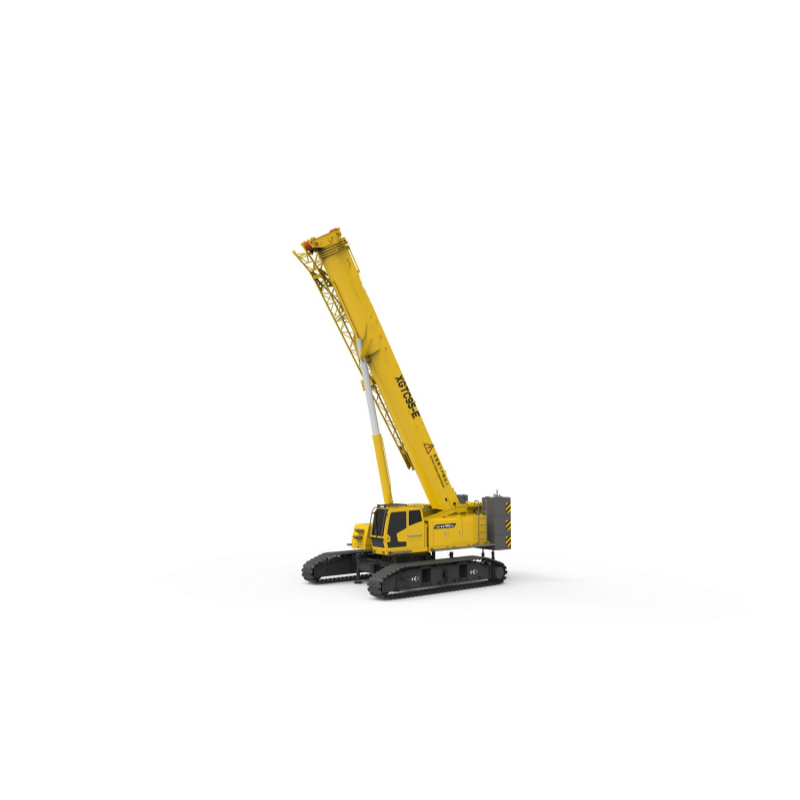
Let us look at actual field specifications. Taking the 95-Ton Electric Telescopic Boom Crawler Crane as a prime example, this equipment delivers uncompromising performance. It features a maximum lifting capacity of 95 tons and utilizes a robust multi-section telescopic boom for extensive reach. The system operates on a high-voltage lithium battery platform designed for heavy-duty cycles. More importantly, it supports dual-power operation. Operators can run the machine purely on battery power for mobile tasks or plug it directly into the grid for continuous stationary lifting. This dual-mode capability completely eliminates range anxiety on busy job sites.
The most immediate impact of electrification is environmental compliance. Removing diesel exhaust makes job sites instantly safer and healthier for the crew. Workers no longer inhale toxic fumes during long shifts. The surrounding community also benefits directly from cleaner air.
Additionally, noise reduction is a massive commercial advantage. Imagine a congested downtown site at midnight. A traditional diesel engine easily violates local noise ordinances. In contrast, battery-powered equipment hums quietly. This silent operation unlocks nighttime construction permits. Project managers can keep timelines ahead of schedule in residential and hospital zones.
There is a persistent myth that electric power equates to weakness. In reality, electric motors provide instant torque. This translates to incredibly smooth and precise load handling. Operators can position massive steel beams with millimeter accuracy. The mechanical lag associated with combustion engines is entirely eliminated.
Specifically, the rugged crawler tracks allow for excellent navigation on rough or muddy terrain. When paired with the quick deployment of a telescopic boom, the machine traverses a challenging site, sets up in minutes, and begins lifting. This agility drastically reduces project setup times compared to traditional lattice boom setups.
To understand the true commercial value, we must compare the two technologies directly. The following breakdown highlights why fleet managers are making the switch.
Performance Metric | Traditional Diesel Cranes | Electric Crawler Cranes |
|---|---|---|
Fuel & Energy Costs | High and highly volatile diesel prices. | Low grid electricity costs; massive daily savings. |
Maintenance Needs | Frequent oil changes, filter swaps, and engine repairs. | Minimal maintenance; no engine fluids or exhaust systems. |
Noise Levels | Exceeds 100 decibels; restricted operating hours. | Ultra-quiet operation; ideal for nighttime and urban use. |
Load Precision | Standard hydraulic response with slight mechanical lag. | Instant electric torque for millimeter-level accuracy. |
Environmental Impact | Heavy carbon emissions and toxic exhaust fumes. | Zero direct emissions; qualifies for green building bids. |
Transitioning to battery power requires practical planning. Do not rely on abstract estimates. Use these concrete standards to match a Zero-Emission Hydraulic Crawler Crane to your operational needs.
First, audit your typical load requirements. If your projects consistently involve heavy steel erection or massive precast concrete, a robust 95-ton capacity model is mandatory. Assess the maximum boom length required for your average site footprint to ensure the telescopic reach covers your lifting radius.
Next, evaluate site infrastructure. Determine if your typical urban sites offer direct grid access. Machines equipped with plug-in dual-power modes provide maximum flexibility. If grid power is scarce during early project phases, calculate the capacity needed for mobile battery energy storage systems to support a full working shift.
Finally, calculate the Total Cost of Ownership. Look past the initial purchase price. Factor in the complete elimination of diesel fuel costs over a five-year period. Add the savings from reduced maintenance. There are no oil changes, no fuel filters, and no exhaust treatments to manage. The long-term return on investment heavily favors electric models.
Yes. These machines use the exact same high-pressure hydraulic lifting systems as their diesel counterparts. A high-torque electric motor powers the hydraulics, providing equal and often smoother lifting capacity.
Modern units are engineered with high-capacity lithium-ion battery packs designed to complete a standard 8-hour working shift on a single full charge under typical lifting conditions.
Absolutely. Advanced models feature dual-power modes. Operators can plug the machine directly into a high-voltage grid connection for continuous, uninterrupted operation while simultaneously bypassing or charging the battery.
If direct grid power is unavailable, contractors utilize mobile battery energy storage systems or temporary clean-energy generators. Fast-charging capabilities also allow operators to replenish significant power during lunch breaks.
Yes. The battery packs and all high-voltage electrical components are heavily sealed and IP-rated for extreme weather conditions. This ensures completely safe operation in heavy rain and extreme temperature fluctuations.
Industrial-grade lithium-ion batteries are designed for thousands of charge cycles. With proper battery management systems in place, they typically last the standard economic life of the crane itself before requiring replacement or refurbishment.
Yes. Electric motors lack complex moving parts, engine fluids, and intricate exhaust treatment systems. Routine maintenance is significantly reduced, which dramatically saves both time and money over the lifespan of the machine.
The transition to electrified heavy machinery is a present-day reality. The battery-powered lifter delivers zero emissions, massive operational cost savings, and uncompromised lifting power. Companies that adopt these advanced machines now will firmly position themselves as industry leaders.
Do not let your fleet fall behind the technological curve. Evaluate your job site requirements and explore the detailed specifications of a modern electric crawler crane for construction lifting at XuZhou ShangHeng to see exactly how it can revolutionize your next major project.


